At We Are All Disabled we start from a simple truth that too many workplaces still struggle to accept: Disability is not a problem to be solved – it is a natural part of the human experience. At some point, most of us will experience disability – temporarily or permanently and, as such, it intersects with ageing, health, caring… and life itself.
However, when it comes to career opportunities, disabled people are still routinely overlooked. Not because we lack talent or because we lack ambition, but because many organisations are still operating with outdated assumptions about disability, often without even realising it.
If the future of work is genuinely inclusive, then businesses need to start where careers begin. That means rethinking how you approach work experience, apprenticeships and early career opportunities. How you understand disability shapes how inclusive your workplace really is, and looking at the main models of disability can provide a helpful starting point.
The Medical model is the oldest and most traditional way of viewing disability. It treats disability as a problem in the individual – something to be fixed or managed so a person can fit into existing ways of working. In theory, organisations no longer work to this model. However in practice, many people still view disability in this way and often leads to hesitation around offering placements or opportunities, particularly at early career stages.
The Social model recognises that people are disabled by barriers in systems, environments, and attitudes – not by disabled people themselves. This model came about through the Disability Rights movement in the 1970s, creating a huge shift in attitudes which has driven important progress and now underpins many workplace adjustments.
At We Are All Disabled, we work from the Affirmative model of disability. Whilst acknowledging the importance of both the Medical and Social models in shaping attitudes towards disability, the Affirmative model goes further. It recognises disabled people as valuable members of the workforce from the outset – bringing insight, adaptability, and lived experience that strengthen teams.
Using an affirmative approach, Inclusion becomes less about managing risk and more about designing work that works for a wider range of people. This distinction matters enormously when we talk about increasing and improving employment opportunities for disabled people.
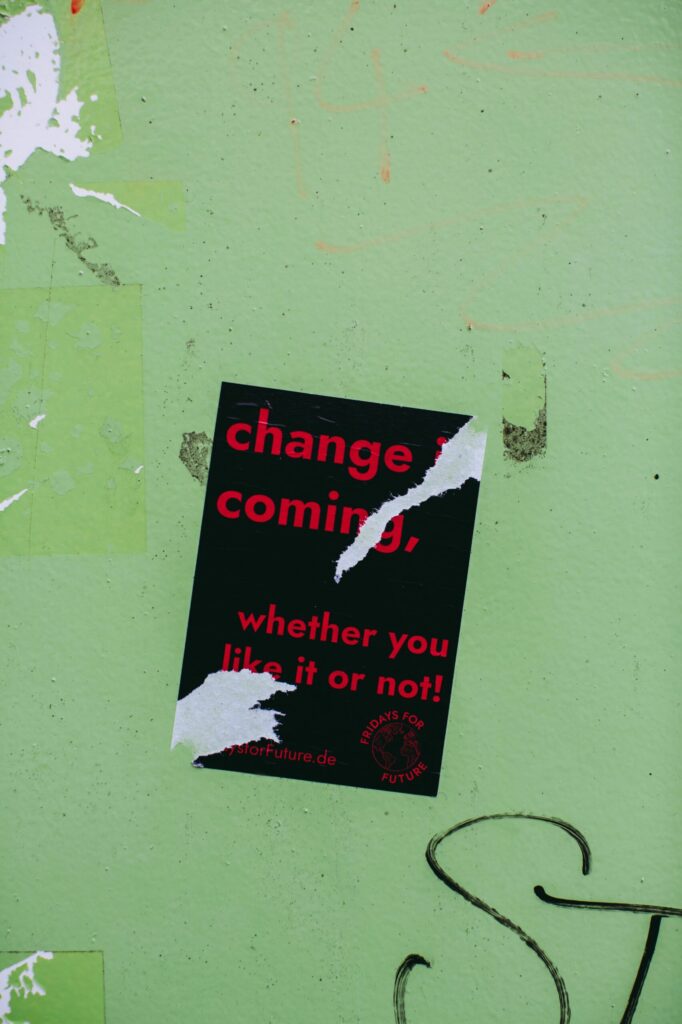
Photo by Karl Abuid on Unsplash